🧘♀️Yoga With Toddlers: Tools & Tips for Teachers and Parents 🧘♀️

Real tools I use in my classes to make yoga fun, engaging, and accessible for toddlers!
Teaching yoga to kids looks very different from teaching adults, and that’s part of the magic! Kids learn through movement, imagination, sensory play, and connection. Over the years, both as a kids yoga teacher and a mom, I’ve learned that having the right tools can completely transform a class (or a moment at home) from chaotic to connected.
These are the real materials I use in my Toddler&Me yoga classes, and all of them are the same ones parents can easily use at home. Most of these ideas are especially helpful for toddlers and very young children, which is the age group I work with the most right now. I’ll be sharing a separate post soon with tools and strategies for working with older kids as well.
Whether you’re a kids yoga teacher or a parent wanting to bring yoga into your home, I hope this gives you inspiration and confidence to start exactly where you are!
Why Props Matter in Kids Yoga
Props are not distractions in kids yoga, they’re bridges.
They help children:
stay engaged longer
understand movement through play
feel more confident and included
explore mindfulness in an age-appropriate way
For teachers, props support class flow, transitions, and group participation.
For parents, they turn yoga into something kids want to do, not something they’re told to do.
When yoga feels playful and accessible, kids naturally absorb the deeper lessons: body awareness, breath, patience, and self-regulation.
Affiliate disclosure: I’m not affiliated with any of the brands or stores mentioned in this post, and this is not sponsored content. I’m simply sharing products I personally use and like. The only exception is Amazon - as an Amazon Associate, I may earn a small commission from qualifying purchases at no extra cost to you.
🧘♀️ The Tools I Use in My Toddler Yoga Classes
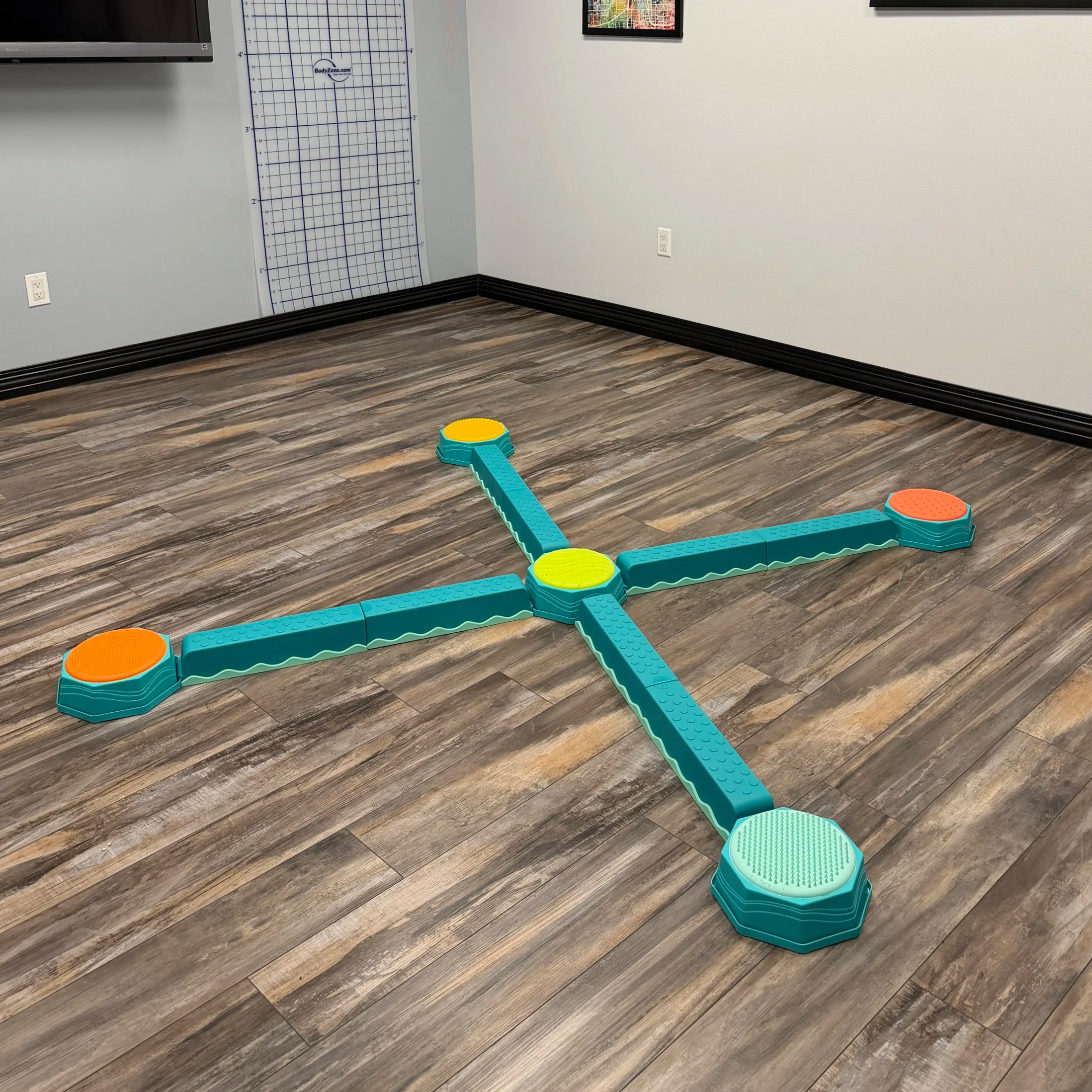
Stepping Stones
These are one of my favorite tools for gross motor skills and focus. I use them to create:
obstacle courses
balance challenges
stretching the body while balancing on the beans
In class: Kids walk, crawl, hop, or balance as they move from one pose to another.
At home: Parents can set up a simple path in the living room or backyard and invite kids to move slowly, like animals or explorers.

Activity Cards + Soft Dice Games
Games like roll-and-play or activity cards are amazing for structure without rigidity. This is just one example, you can find other games that work better for the age you’re working with.
In class:
Roll the dice → do the pose or movement
Pick a card → act it out with breath and imagination
At home:
Perfect for short yoga moments. Even 5 minutes counts. Let your child roll, choose, and lead.
FIND THIS GAME HERE - Cheapest option I found while writing this, search online to check for the best price.

Cones & Tossing Rings
These are incredibly versatile and inexpensive.
In class:
Hoops become “islands,” “nests,” or pose markers
Cones define personal space or pathways
Guide them through stretching and poses while holding a hoop to make it more engaging
At home:
Use them to create simple games: jump in, step out, stretch tall, curl small. Kids love clear visual cues.
VIEW ON AMAZON:
CONES - I find these safer than the tall ones

Scarves, Shakers & Ribbons
These bring movement, creativity, and softness. The kids absolutely love them!
In class:
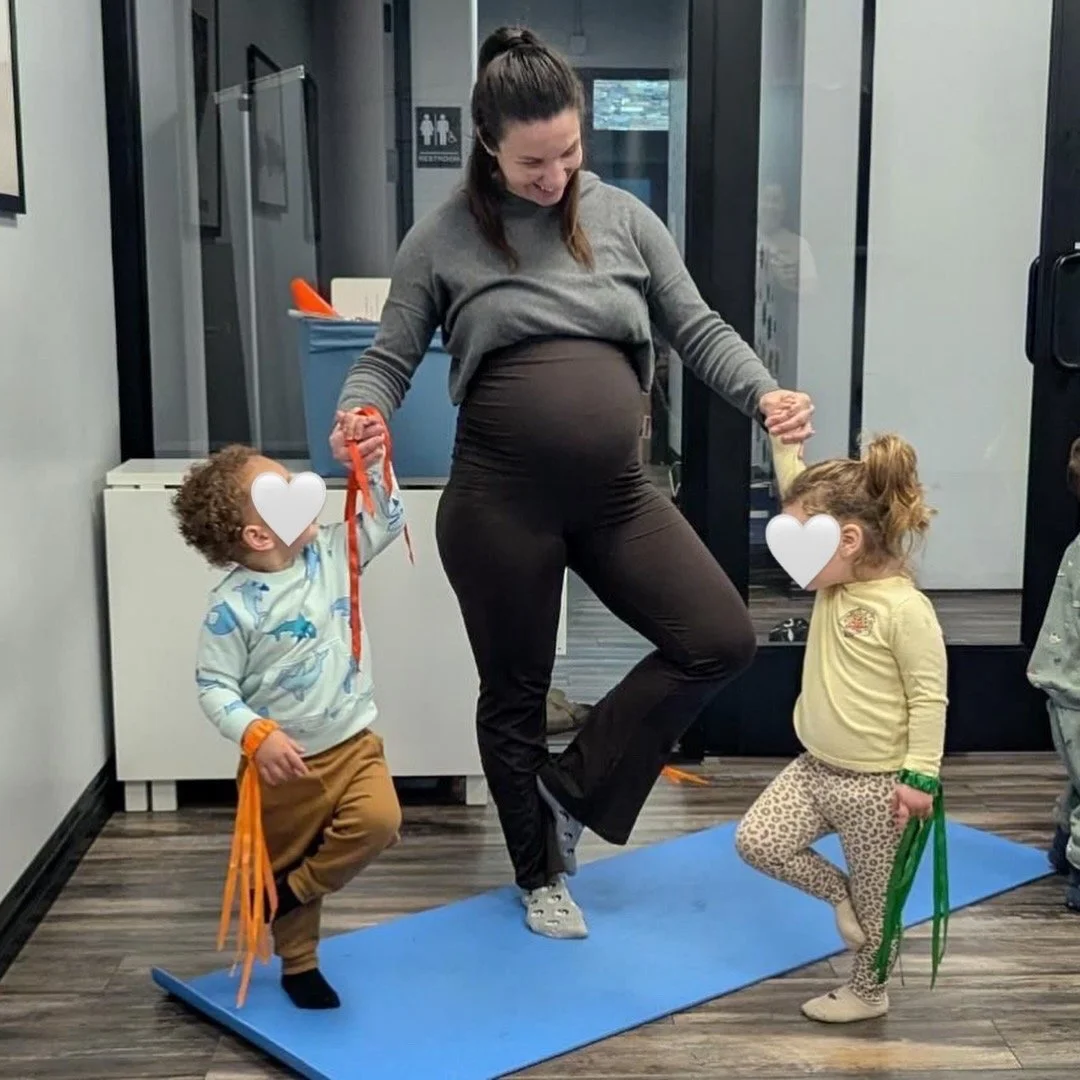
Dancing while holding them to get the wiggles out before sitting down and doing poses and breathing exercises.
Have them hold the material while stretching and doing poses, it can help keeping them engaged while you guide them.
Floating scarves during breathing can also help them visualize the breath movement.
At home:
All of the above can also be done at home!
VIEW ON AMAZON:

Yoga & Mindfulness Cards
Visual cards are powerful for young learners.
In class:
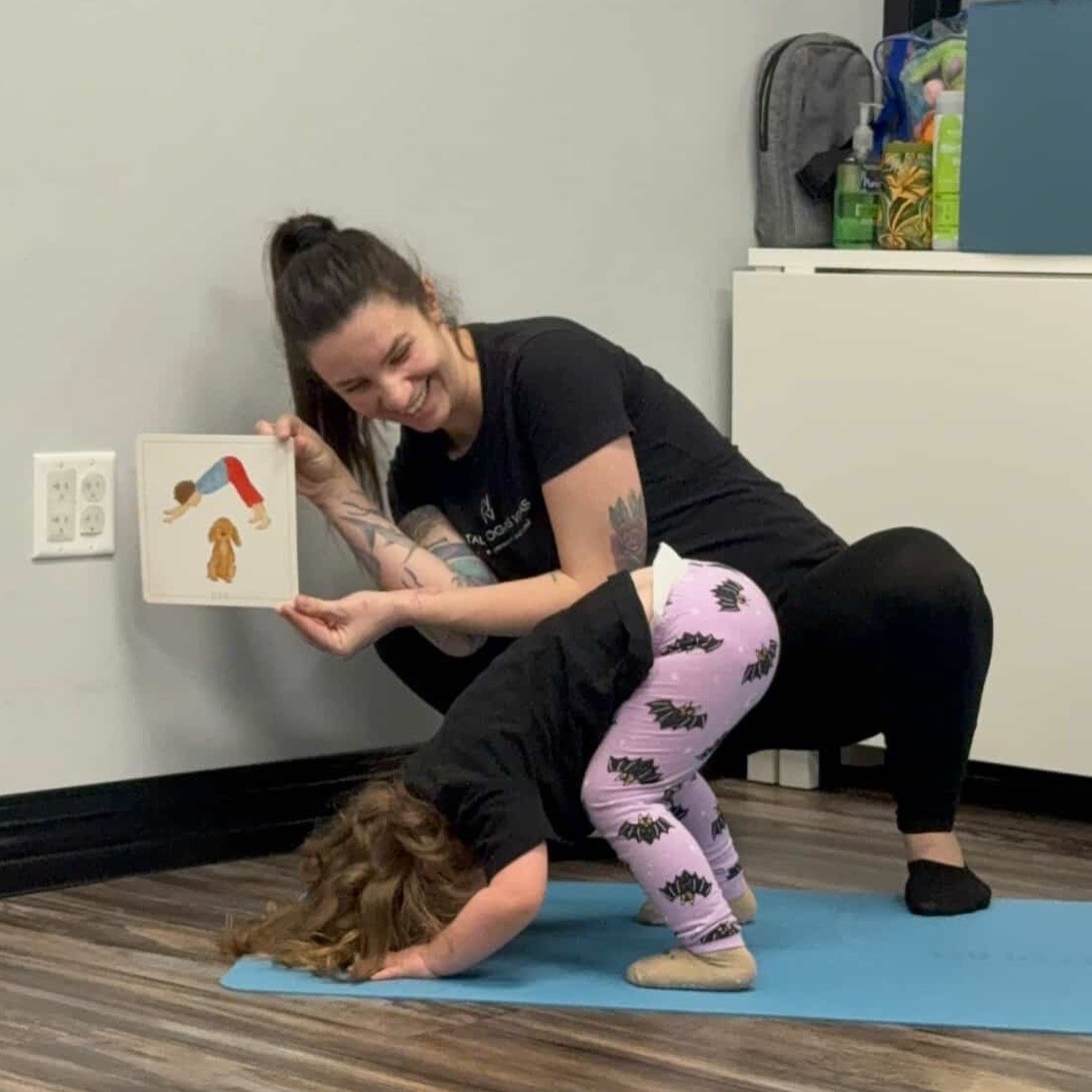
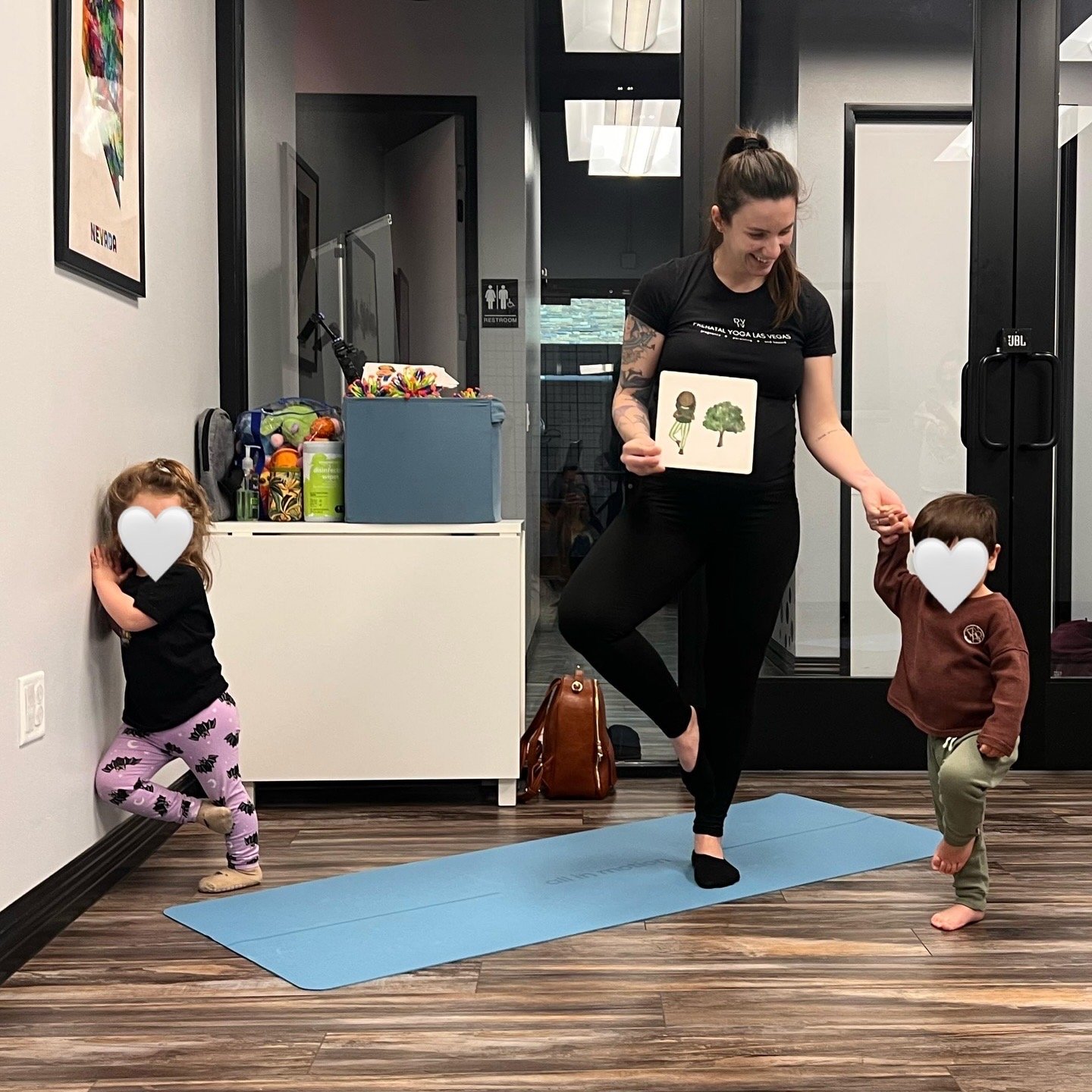
Pose inspiration so they can copy the card.
Story-building (“Let’s turn these poses into a story”) - I haven’t tried that yet but it can be a good idea for older kids.
At home:
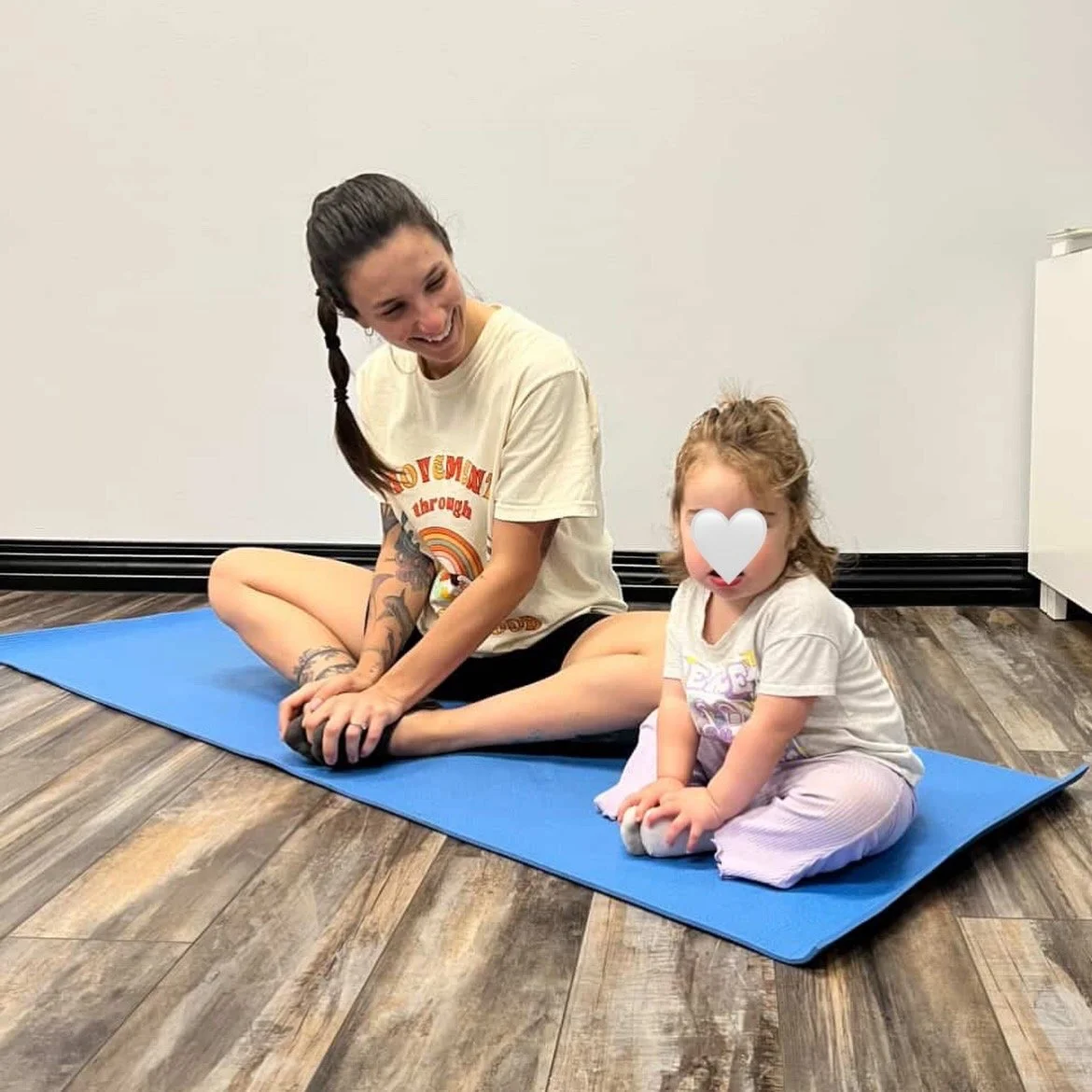
Pull one card and build a short practice around it. No need for a full sequence. Try always doing the movements and poses with them, since kids are great at copying our behavior!
This brand is amazing and they have high quality yoga products for kids, I highly recommend you taking a look at their website:
https://www.mindfulandcokids.com
They also share many FREE resources HERE!
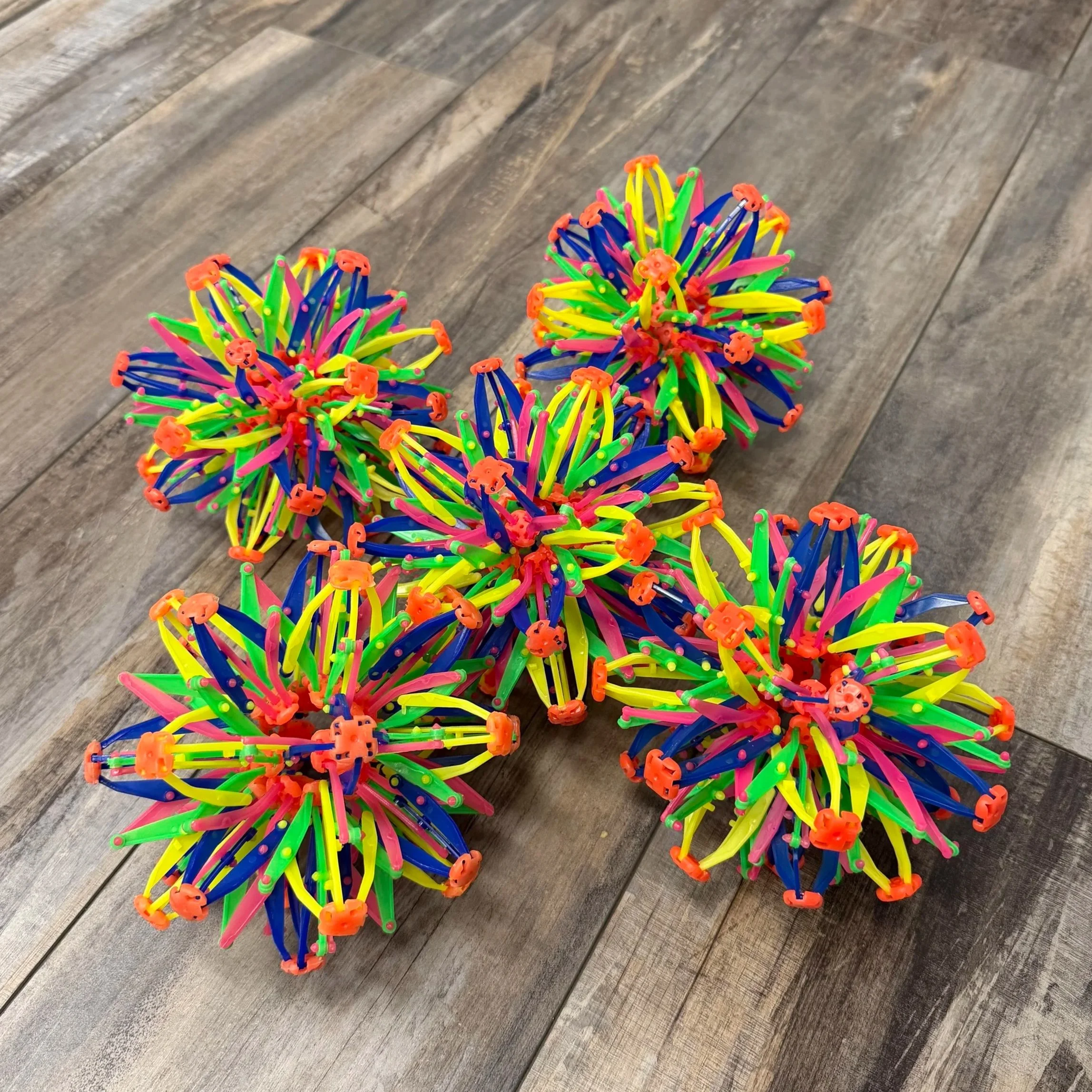
Breathing ball
These tools are also amazing for sensory regulation. As the expanding balls open and close, kids can see their breath in action. This visual makes it easier for them to learn how to slow down and regulate their emotions: skills that carry into real life. Many parents have told me they use this “remember the yoga breath” cue at home when their kids are having a hard moment.
In class:
It’s one of my favorite tools to help kids settle and prepare for yoga poses and relaxation.
Passing gently during group activities.
At home:
Great for calming moments, especially before bedtime or after a busy day, or even during a meltdown / any challenging moment they’re going through.

Feathers
Simple, beautiful, cheap and incredibly effective. You can work with them the same way as with the breathing balls described above.
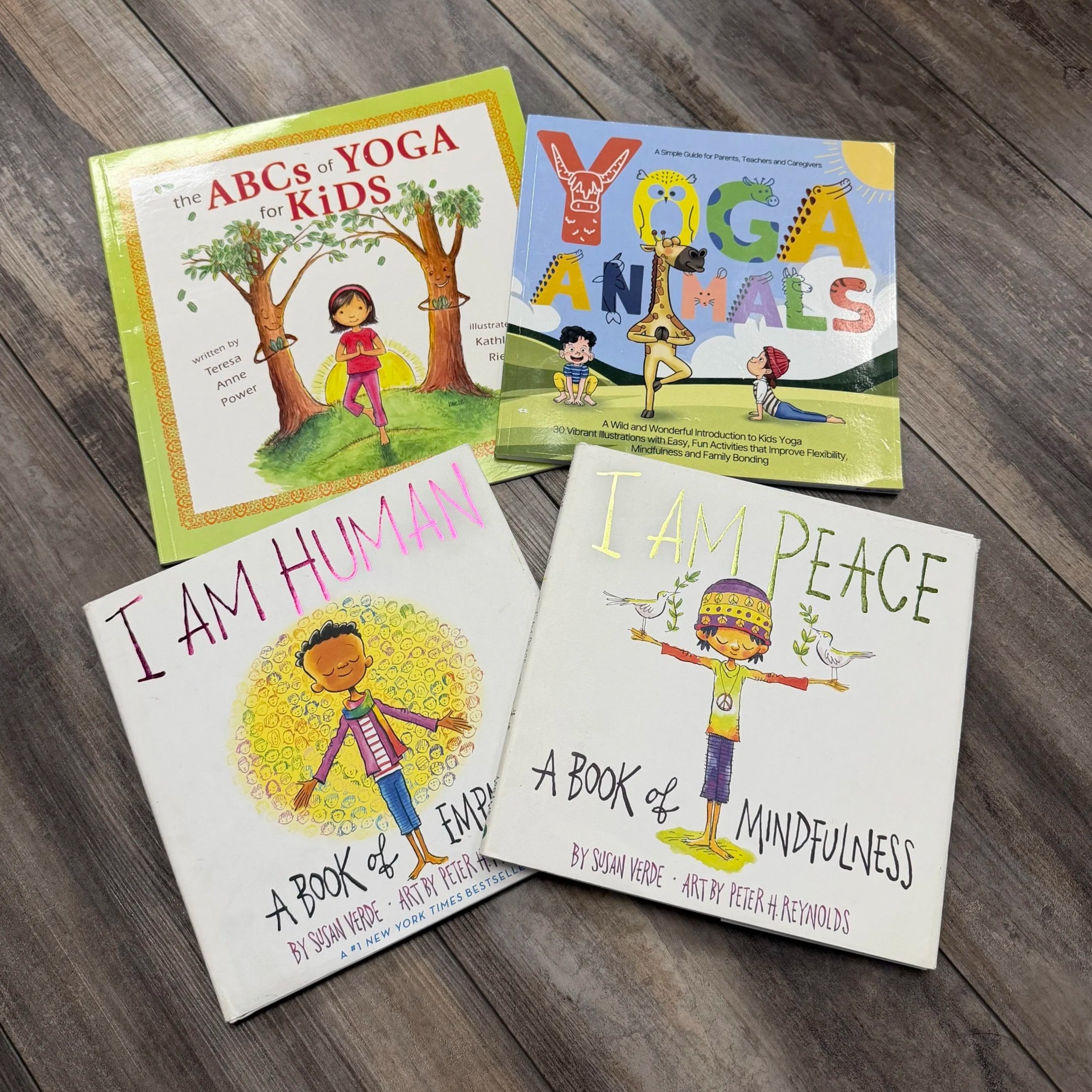
Books About Yoga, Emotions & Mindfulness
Some favorites include:
yoga-themed stories
mindfulness and emotion books
affirmation-based books
In class:
Stories help ground energy and create themes. If you have young toddler like me in my current classes, it can be more challenging to have them sit and listen to a whole story. So you can choose shorter stories for these students, or leave the books for older students and focus more on body movements for the youngsters.
At home:
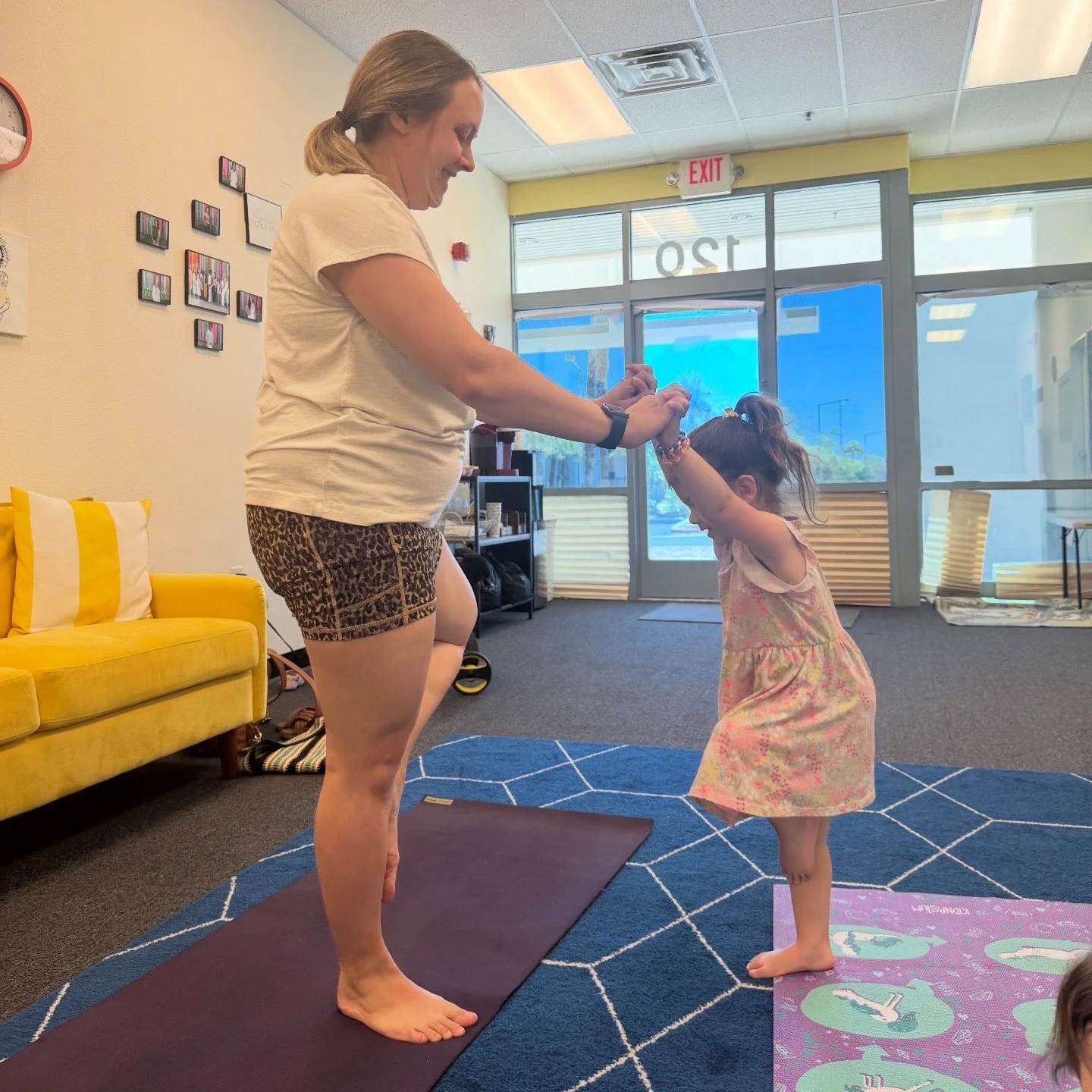
Read a page, then move or breathe together. Again, try joining them on the poses and movements so they can copy you!

Bubbles
Yes - bubbles are yoga tools!! And it’s one of their favorite parts!
In class:
If kids are old enough to hold their own bubbles without spilling, you can use this for a breathing exercise to bring breath awareness in a fun way. Buy small bubbles containers so each kids has their own.
if kids are young, I use them at the end of the class as a fun class ending.
At home:
One of the easiest ways to introduce breathwork naturally. No explaining needed, just play. And as they’re older you can use this for breath awareness exercises too.
🏠 How Parents Can Use These Tools at Home
You don’t need to “teach” yoga at home. You just need to invite it.
Some gentle ways to begin:
Keep practices short (3–10 minutes is enough)
Let your child lead
Focus on connection, not correctness
Use transitions (before bed, after school, before dinner)
Yoga at home doesn’t have to look like a class. It can look like play, cuddles, movement, and laughter.
💡Tips for Teachers Working With Young Kids
Rotate tools to keep curiosity alive
Don’t over-plan: leave space for creativity
Follow the energy in the room
Use stories and imagination
Remember: engagement matters more than perfect poses
Kids yoga is about meeting children where they are, not where we think they should be.
I’m always reinventing my classes based on my students’ needs. Many of these materials were introduced in my Toddler & Me classes because I noticed how helpful it was for kids to release energy at the beginning of class before we move into breathing exercises and yoga poses. And it worked really well with a specific class I currently have, where the toddlers are very young and can’t focus or follow directions for long periods of time. I had to find a way to make a 30-minute class work for all of us: by meeting them where they are and allowing movement, play, and exploration to lead the way.
✨ A Final Thought
Yoga with kids, especially young ones, isn’t about doing everything “right.” It’s about showing up with presence, patience, and openness. The tools you use are simply invitations to move, to breathe, to connect.
Whether you’re teaching a class or sharing a quiet moment at home, those moments matter more than you realize. Kids absorb everything, they watch our actions, our reactions, and the words we choose.
They copy us as they learn, which makes modeling mindful movement, breath, and kindness the most meaningful way to be a role model for them.
Thank You for Being Here!
Thank you so much for reading! I hope this post gave you practical ideas and inspiration to bring yoga to kids in a way that feels playful, supportive, and realistic - whether you’re teaching a class or sharing yoga moments at home.
If this post was helpful, feel free to share it with another yoga teacher or parent who might enjoy teaching yoga to kids in a gentle, fun & accessible way.
Follow along on social media for more kids yoga tips, motherhood, mindful living, and real-life moments from our family.
I’d love to stay connected with you there!
Together, we’re learning, growing, and doing our best…
Because Together, We Are UNO 🤍
